
When a fire breaks out, the margin between a close call and a catastrophe comes down to preparation made weeks, months, or years before. Were the sprinklers maintained? Were the exit routes clear? Did staff know where to go? Fire inspections exist to answer those questions before they become urgent.
The results of consistent fire protection investment speak for themselves. The NFPA reports that fire-related deaths in the United States have dropped by roughly half since the 1970s, even as the country added more than 120 million residents. That progress reflects stronger standards, more consistent inspection practices, and a greater emphasis on emergency preparedness across industries.
This post breaks down the key inspection requirements outlined in NFPA 101, explores how those inspections connect to broader emergency planning efforts, and includes a practical self-assessment your team can use to gauge where your organization stands today.
What NFPA 101 Requires
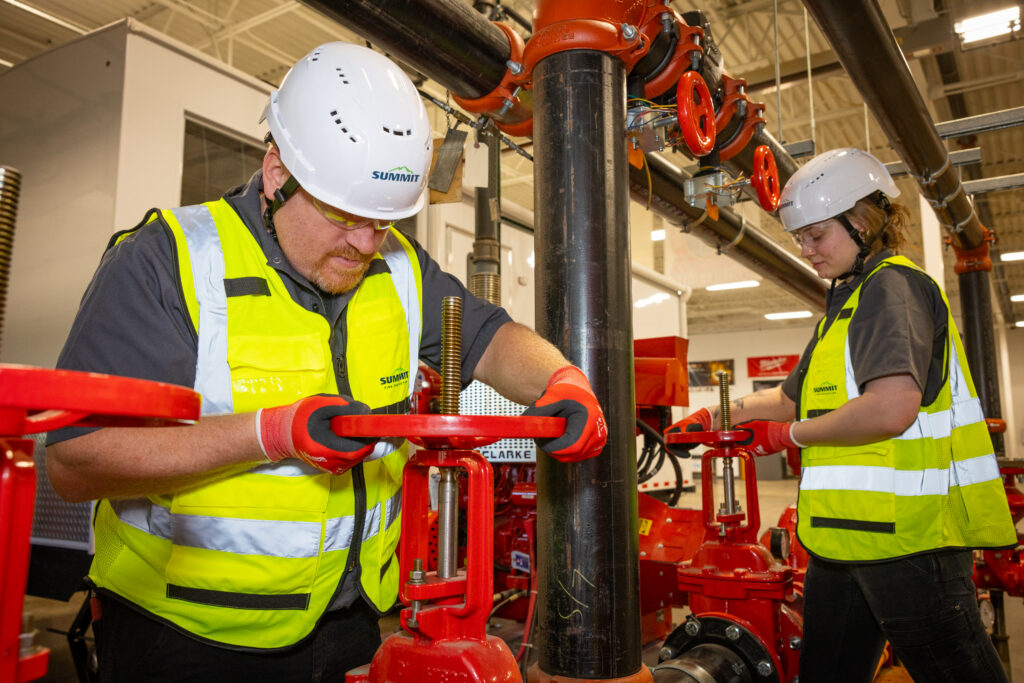
The NFPA 101: Life Safety Code establishes the framework for how buildings should be designed, maintained, and operated to protect occupants from fire and related hazards. For commercial properties, it identifies the systems and structural elements that require regular inspection and upkeep. While local jurisdictions vary in how they adopt NFPA 101, the following areas represent the core of what most commercial facilities need to address.
Means of Egress
Every path an occupant might use to exit a building during an emergency falls under the “means of egress” umbrella—exit doors, corridors, stairways, ramps, and similar routes. NFPA 101 requires that these pathways stay clear of obstructions, remain properly marked, and function as intended at all times. Emergency lighting and exit signage must be tested on a regular basis to confirm they’ll remain visible when smoke fills a corridor or the power goes out.
Fire Protection Systems
The broader category of fire protection systems encompasses everything from early detection to active suppression, and NFPA 101 requires that all of it be inspected, tested, and maintained consistently.
This includes:
- Fire alarm systems
- Fire suppression systems (CO2, foam, or clean agent)
- Sprinkler systems (wet, dry, and pre-action configurations)
- Fire protection water supply components (fire pumps, standpipes, hydrants, and hoses)
- Portable fire extinguishers
- Pre-engineered kitchen hood suppression systems
- Passive fire protection elements (fire doors and rated walls)
- Emergency systems (exit signs, emergency lighting, and backup generators)
Each of these components plays a specific role in detecting, containing, or suppressing a fire; a failure in any one of them can compromise the entire response chain.
Emergency and Backup Power Systems
When a fire breaks out, normal power systems often fail or are intentionally shut down. Emergency power infrastructure—generators, transfer switches, emergency communications equipment—must be tested regularly to confirm it will perform under those conditions. Without reliable backup power, alarms may go silent and egress lighting may go dark at exactly the wrong moment.
Smoke Control and Detection
Smoke control systems are designed to limit the movement of smoke through a building and help direct occupants toward safe exit routes. NFPA 101 calls for periodic inspection and testing of smoke dampers and fire dampers as part of this broader system. In most facilities, these systems are integrated with the fire alarm network: when smoke detectors trigger an alarm, the smoke control system activates simultaneously—alerting occupants while working to contain the hazard.
Structural Fire Protection
Fire-rated walls, doors, partitions, roofing assemblies, and ceiling systems are the passive defense layer of any building. Their job is to slow the spread of fire and buy time for occupants to get out. NFPA 101 inspections confirm that these barriers are undamaged, free of unauthorized penetrations, and capable of maintaining proper compartmentalization if a fire takes hold.
Hazardous Areas
Spaces that house flammable materials or high-risk operations require a higher level of scrutiny. Inspections of these areas verify that materials are stored correctly, that separation requirements are met, and that the walls and doors enclosing the space carry the appropriate fire rating—typically two or three hours, depending on the nature of the hazard and the occupancy involved.
Documentation
No inspection program is complete without proper recordkeeping. NFPA 101 places a strong emphasis on documenting all inspections, tests, and maintenance activities. These records demonstrate compliance, support regulatory audits, and serve as a practical reference when updating emergency plans or scheduling future work.
Connecting Inspections to Emergency Planning and Drills
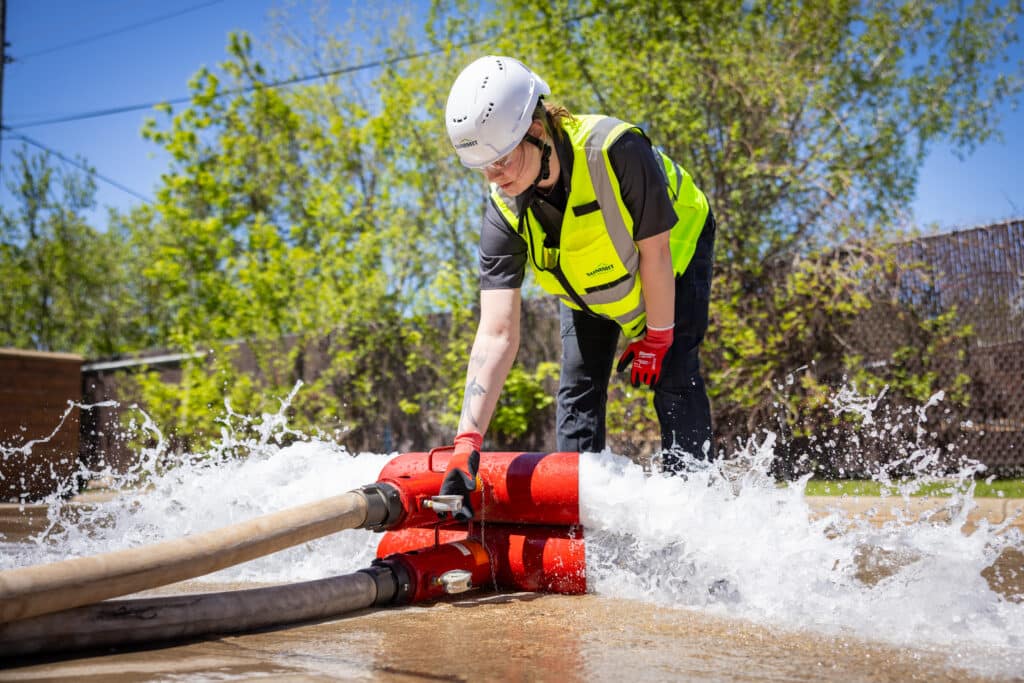
Inspections confirm that your fire protection infrastructure is functioning correctly—but physical systems alone don’t save lives. People have to know what to do when those systems activate.
That’s the role of emergency planning and fire drills. A well-designed drill puts occupants through the paces of a real evacuation: responding to alarms, navigating exit routes under pressure, and reaching designated assembly areas. Drills also give organizations an opportunity to identify gaps in their procedures, observe how staff actually behave in a simulated emergency, and refine their plans accordingly.
Staff training rounds out the picture by ensuring employees understand how to respond to alarm signals, use portable extinguishers appropriately, and follow established emergency communication protocols.
Inspections and drills address different dimensions of the same problem. Inspections reveal whether your building and its systems are physically ready. Drills reveal whether your people are. Organizations that treat both as priorities are significantly better positioned when a real emergency occurs.
Fire Readiness Self-Assessment
Use the questions below to take an honest look at where your organization stands. A “no” to any item signals a gap worth looking at.
- Are all exit routes, doors, stairs, and corridors unobstructed and clearly marked?
- Are exit signs and emergency lighting functional and tested regularly?
- Are fire alarms, smoke detectors, and notification devices tested and operational?
- Are sprinklers, standpipes, and fire extinguishers inspected and maintained per NFPA standards as well as your local jurisdiction?
- Are fire extinguishers accessible and properly tagged with inspection dates?
- Does your organization have a written emergency action or evacuation plan?
- Are staff trained on evacuation procedures and basic fire safety?
- Has a fire drill or evacuation test been conducted in the past 12 months?
- Are fire-rated walls, doors, and partitions intact with no unauthorized penetrations or damage?
- Are flammable or combustible materials stored safely, with proper separation and fire protection?
Preparedness Doesn’t Happen by Accident
Consistent, thorough inspections are the foundation that everything else in fire preparedness is built on. They ensure your systems are ready, your structure can contain a fire long enough for occupants to escape, and your organization has the documentation to back it all up.
If any of the self-assessment questions above revealed a gap, that’s a useful signal. Proactively addressing deficiencies is far less costly than responding to an incident that could have been prevented.
With dozens of locations throughout the midwest, Summit Fire Protection brings deep expertise to every engagement. From conducting inspections to maintaining suppression systems and helping your organization build a stronger emergency preparedness program, we’re the single partner solution for all of your fire and life safety needs.
If you’re looking for a reliable partner to strengthen your fire readiness, find a Summit Fire Protection team near you.