

The National Fire Protection Association (NFPA) is the nation’s premier fire-prevention and life safety organization, made up of fire service professionals, engineers, technicians, and safety experts who collaborate to create or update codes and standards to protect people and property. These codes and standards aren’t law until they are adopted. They are referenced in the International Fire Code (IFC), NFPA 1 (the Fire Code), and/or adopted directly by local and state authorities. It’s always a good idea to stay on top of the latest developments, even though the most recent updates won’t be enforceable until officially adopted and/or amended by a specific jurisdiction. In this post, we’ll give you an update on a couple of the latest NFPA code updates, and talk about how these changes eventually find their way into law.
Portable fire extinguisher inspections are going digital
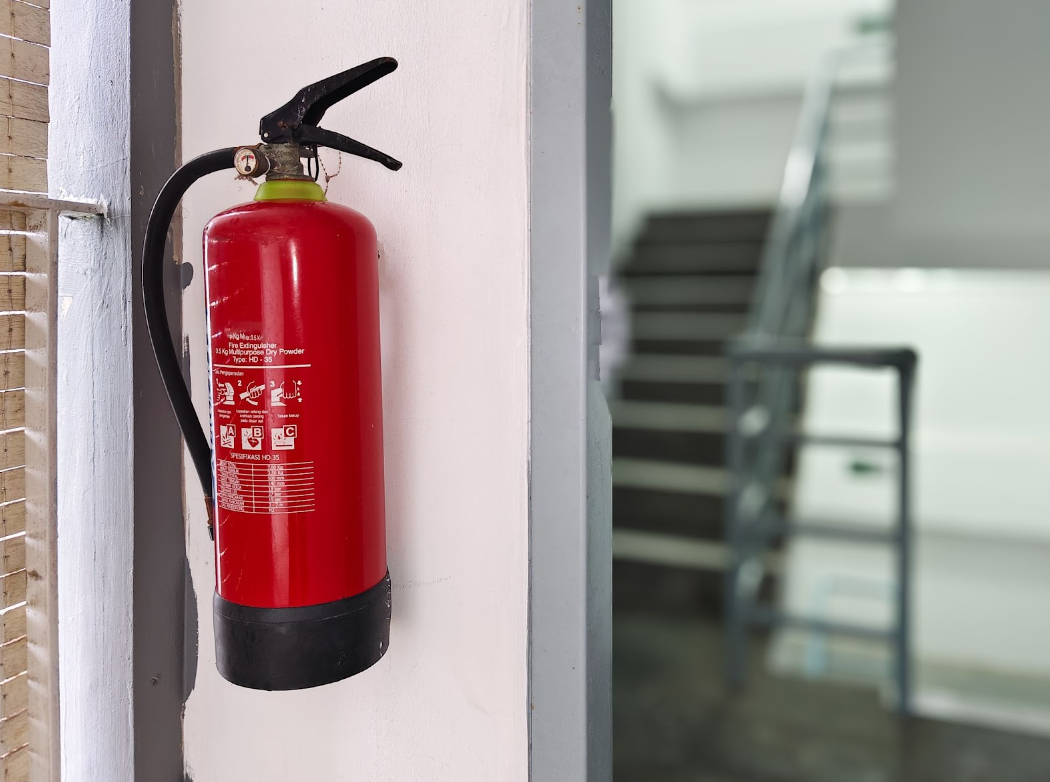
A significant change taking effect in 2026 comes from the 2026 edition of NFPA 10 — Standard for Portable Fire Extinguishers. This update modernizes how fire extinguishers can be inspected, taking advantage of new, remote-monitoring technology.
In the past, inspections required physically checking each extinguisher on a monthly basis, including “hefting”— i.e., lifting it — to verify weight. The 2026 edition now allows electronic monitoring and other approved technologies to supplement or replace some manual checks.
- What’s new: Facilities can now use digital systems to track extinguisher status, reducing the need for routine hands-on inspections.
- Why it matters: For buildings with large numbers of extinguishers — such as factories, campuses, and municipal facilities — automated inspections can save time, reduce labor costs, and provide continuous, accurate records of compliance.
This update is exciting because it means organizations can ensure their extinguishers are consistently monitored, not just checked monthly, while potentially cutting back on routine labor. Keep in mind, though, manual inspections are still required until your local or state authorities formally adopt the new standard.
Other important changes in 2026 standards
Other important updates are coming on the electrical side of life safety. With electric vehicles and on-site battery systems becoming more common, these codes play a crucial role in keeping buildings safe.

Two documents containing some of the most notable updates in this area are NFPA 70 (the National Electrical Code, or NEC) and NFPA 855 (Standard for the Installation of Stationary Energy Storage Systems), which focus on modernizing electrical infrastructure and ensuring battery storage safety. While there’s too much to cover in full here, key highlights include:
- NFPA 70
The 2026 edition of the NEC brings significant structural and technical changes to improve safety and clarity. It also addresses modern electrical systems, including high-voltage installations and EV charging infrastructure, helping buildings stay up to date with rapidly evolving technology. - NFPA 855
The 2026 edition of NFPA 855 expands safety requirements for energy storage systems. It covers a wider range of battery technologies, introduces formal hazard analyses, strengthens emergency planning and training, and aligns fire and explosion testing with UL 9540A, addressing risks identified in real-world incidents.
From best practice to state or local law
The NFPA’s latest updates offer a glimpse of what’s coming in fire and life safety, but at this stage they are still best-practice guidelines rather than law. They will eventually get referenced in future editions of the applicable fire code (typically either the IFC or NFPA 1), and get adopted by authorities throughout the country.

It takes time, though, for NFPA code updates to be reflected in the IFC or NFPA 1, and more time still for the latest version of the fire code to be adopted by local authorities. On top of that, states and localities often make amendments to codes to reflect local conditions. The landscape is further complicated by differences in statewide adoption: some states — like Iowa, Michigan, Ohio and Wisconsin — have astatewide fire code, while others leave it up to individual municipalities.
For example:
- Arizona, Colorado, and Missouri have no statewide fire code; each locality adopts and enforces its own code.
- Indiana and Illinois maintain statewide codes but allow local governments to include their own amendments.
If you’re operating multiple facilities in one of these states, you might find that your compliance needs vary significantly from one city or county to the next. For that reason, it’s always a good idea to consult a professional to ensure all your facilities are compliant with local regulations.
Expert guidance keeps you safe and compliant
In 2026, NFPA continues to modernize fire and life safety codes to reflect technology advancements, emerging hazards, and lessons from real incidents. From automation in extinguisher inspection to stronger electrical and energy storage safety standards, these updates lay the groundwork for safer buildings and systems.
Staying informed about NFPA code changes and understanding how they may be adopted locally helps you stay compliant and prepared, but that’s sometimes easier said than done.
That’s where Summit Fire Protection comes in. With deep local expertise in Arizona, Colorado, and the Midwest, Summit can help you navigate the ever-changing regulatory landscape.
Contact Summit Fire Protection today to ensure your facilities are ready for the codes in force now — and the ones that are coming soon.